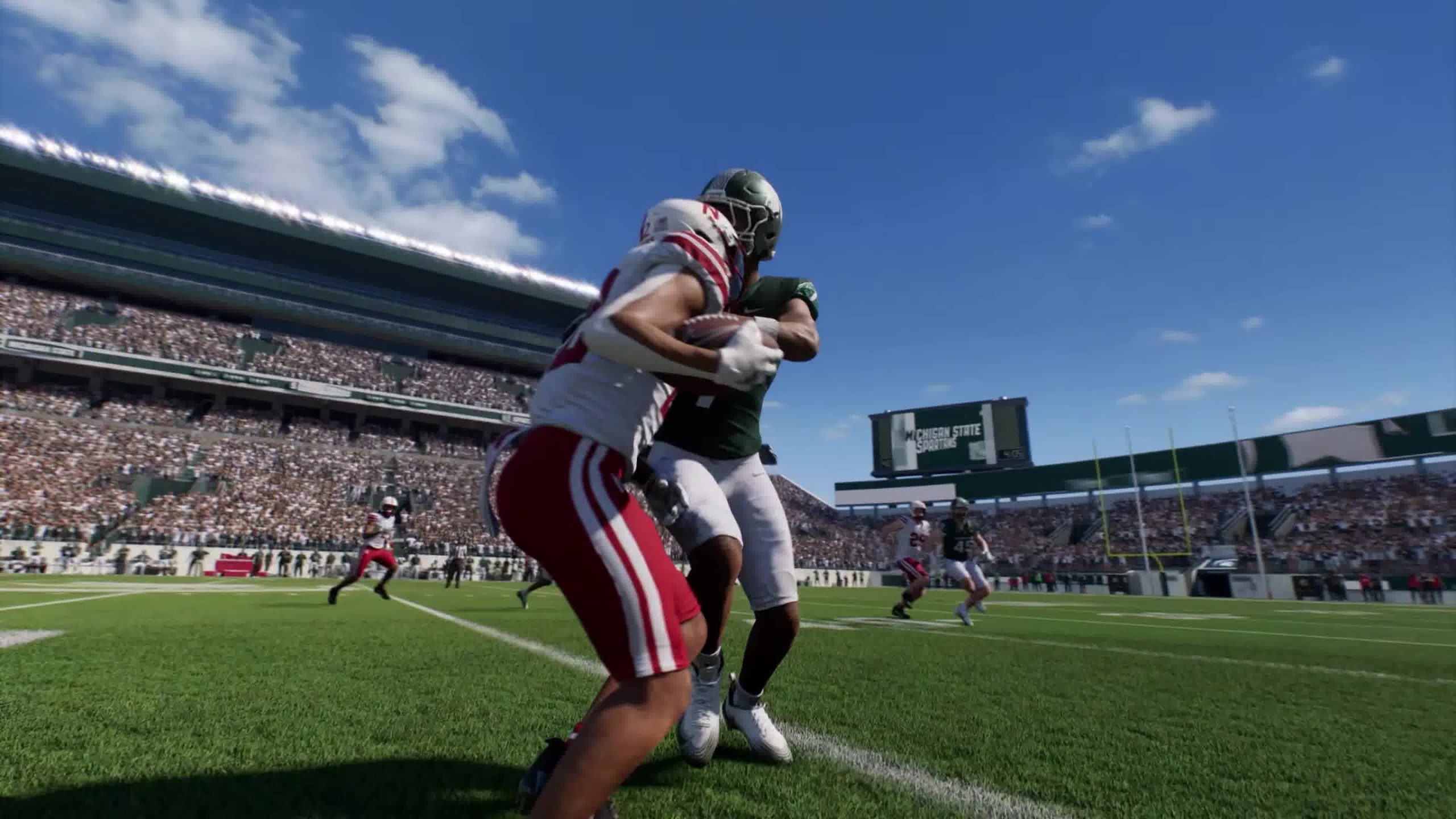
Building a strong Ultimate Team in College Football 27 is ultimately a coin economy problem. The faster you understand how the in-game market reacts to content drops, pack supply, and early-game inefficiencies, the faster your team progresses without wasting resources.
This guide breaks down the most effective coin-making loops based on proven early-cycle strategies: gameplay grinding, challenge optimization, pack cycling, and market flipping.
1. Early Game Priority: Challenges + Daily Objectives
Before touching the auction house or packs, the most stable coin foundation comes from structured PvE content.
In College Football 27, the optimal starting path is:
- Complete introductory gameplay setups (offense/defense fundamentals)
- Finish early promo challenge sets (starter programs, spotlight-style events)
- Clear “first-time completion” objectives for bonus packs
- Maintain daily login + objective streaks
These systems create a compounding reward loop: coins + packs + players + XP. Missing dailies slows progression more than most players realize, especially in the first weeks of a game cycle.
If you’re starting from zero, this is your safest and most consistent path before attempting higher-risk methods or market flipping.
2. Overtime / Short Match Modes = Fastest Coin-per-Minute Grind
One of the most efficient gameplay-based coin farms comes from fast competitive modes (similar to overtime-style matches).
Why this method dominates early-game:
- Matches last ~2–4 minutes
- Wins generate direct coin rewards
- Win streaks unlock bonus packs (including high-value player packs)
- Frequent opponent quitting increases efficiency
The key advantage is time density. Instead of long traditional games, you’re stacking quick cycles of rewards per hour.
For players trying to scale quickly, this mode acts as a “coin printer” when combined with consistent win rates.
3. Market Timing: Selling Into Pack Waves
One of the most important skills in CFB 27 Coins generation is understanding market supply cycles.
When new promos drop or elite players enter packs:
- Supply spikes temporarily
- Prices fluctuate heavily in the first hours
- Then stabilize or rebound depending on demand
Smart players don’t just open packs—they sell into hype windows.
Core rule:
When everyone is ripping packs, you should be selling.
This includes:
- Newly released 80–85 OVR cards
- Promo-specific players
- Position-demand cards (QB, WR, CB)
Even mid-tier cards often spike during content release windows.
4. Auction House Flipping (80–81 OVR Filter Strategy)
A highly consistent method revolves around filtering mid-tier cards—especially early in the game cycle.
How it works:
- Search 80–81 overall cards
- Narrow by position (WR, CB, FS, QB)
- Compare “lazy listings” vs actual sale value
- Buy underpriced cards and relist at market rate
Example pattern:
- Market value: ~14,000 coins
- Sniped listings: ~10,000–12,000 coins
- Profit margin: 1,500–3,000 per flip
This method scales heavily during peak pack hours when supply is high and undercutting is frequent.
5. Pack Strategy: High Risk, High Volatility Loop
Pack opening is not a stable method, but it can become profitable if treated like a controlled investment cycle rather than gambling.
Key principles:
- Only open packs when promo cards are in circulation
- Prioritize packs with guaranteed player volume
- Convert low-value pulls into training or quicksell resources
- Only sell high-value or position-demand cards
A common mistake is selling everything immediately or converting everything into coins without evaluating training value.
Instead, efficient players evaluate:
- Coin value vs training conversion efficiency
- Market demand for specific positions
- Quick sell thresholds
This turns packs into a semi-controlled resource loop rather than pure RNG dependency.
6. Training Conversion Timing (Hidden Profit Layer)
Training is often overlooked but becomes extremely valuable during promo cycles.
Best practice:
- Save training during low-demand periods
- Wait for high-value LTDs or premium promo releases
- Convert training only during high-upside windows
This creates a delayed-value system where resources gained from gameplay (like overtime rewards) are later converted into high-tier pulls when odds are most favorable.
7. Risk Management: When NOT to Invest
A major difference between casual and efficient coin builders is risk control.
Avoid heavy investment when:
- Market is stable and low volatility
- No new promos are active
- Pack supply is low
- You have limited coin buffer (<100k early game)
Safer approach:
- Stick to gameplay grinding
- Focus on guaranteed reward systems
- Avoid over-investing in packs during slow market periods
8. The Core Economy Loop (How Top Players Build Coins)
The most effective players in College Football 27 follow a repeating cycle:
- Play fast competitive modes (overtime-style games)
- Complete daily + promo objectives
- Open or earn packs through gameplay rewards
- Sell high-demand items during hype windows
- Flip mid-tier auction house cards (80–81 filter)
- Reinvest selectively into training or key upgrades
This loop compounds over time, turning moderate grinders into high coin earners.
Final Thoughts: Efficiency Beats Raw Playtime
Coin generation in College Football 27 is not about playing the most—it’s about playing the smartest economy cycles at the right time.
Players who understand timing, market behavior, and reward efficiency will consistently outperform those who rely purely on gameplay volume.
For those who want to accelerate progress further, some players also explore external marketplaces such as Buy CUT 27 Coins services to supplement in-game grinding, especially during competitive team-building phases. This is ultimately a personal choice depending on how quickly you want to scale your roster.
Either way, mastering these systems early defines your long-term success in Ultimate Team.